Matías Arteaga: Creative Maturity
CHEF AT TONI LAUTARO
Mixing fire, territory, and teamwork, the chef solidifies a culinary vision that goes beyond the physical limits of the actual plate: a system full of ideas, experiences, and relationships that, with Toni Lautaro as a case of culinary success, expands with new projects and his first book.
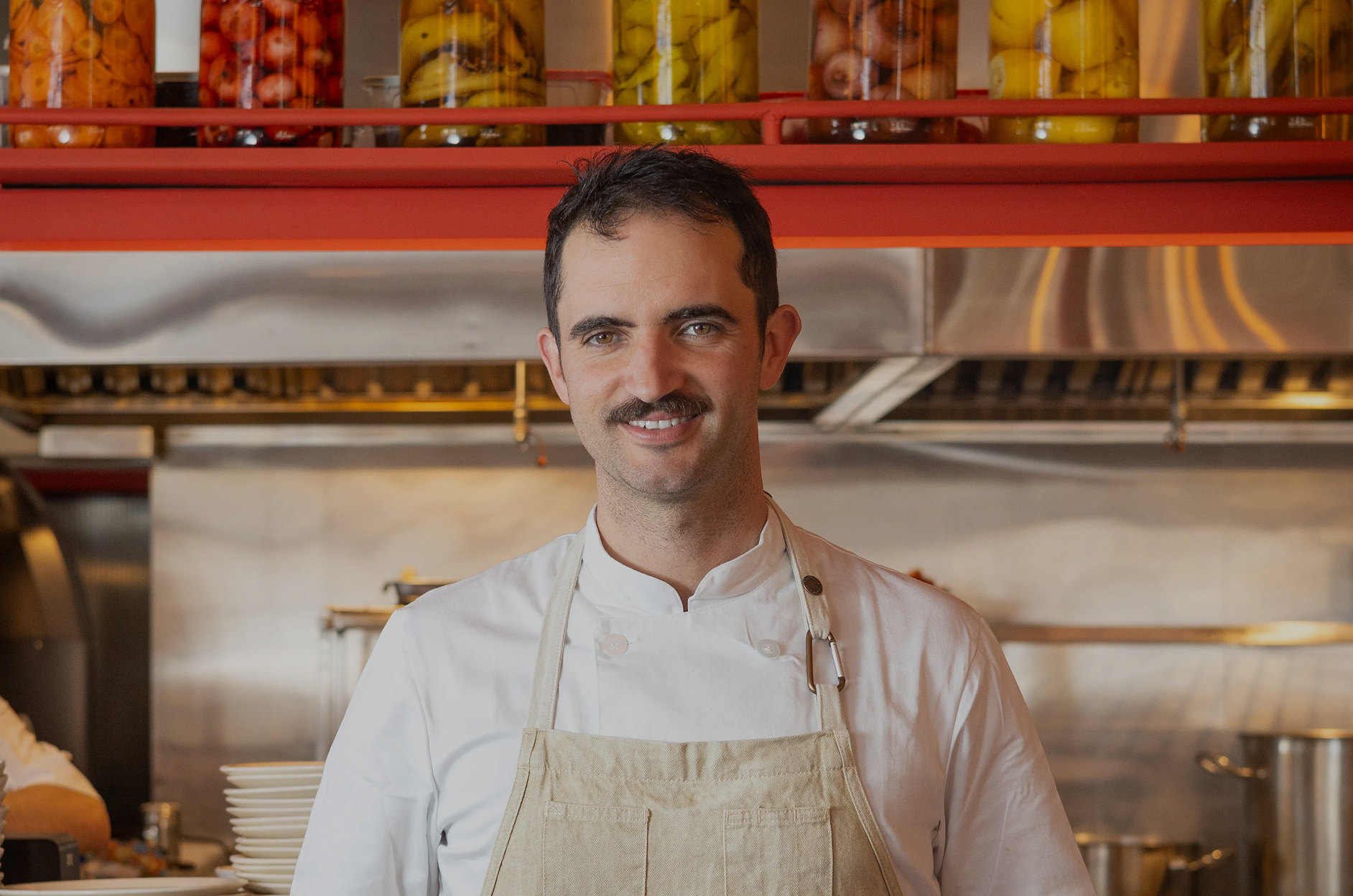
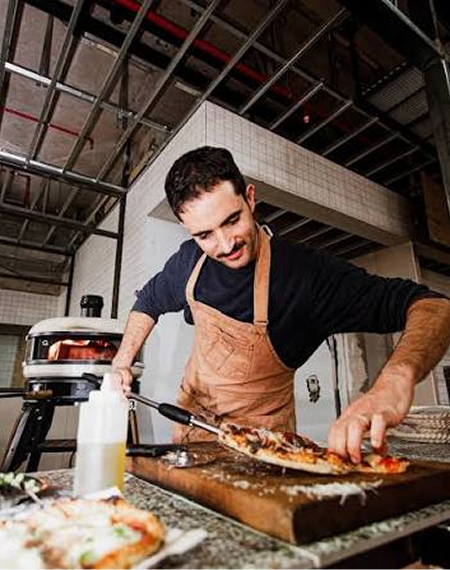
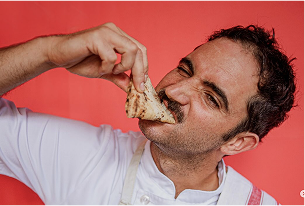
Matías Arteaga's daily schedule gives no respite. Among his personal life, his job, and more than a thousand projects that he creates with his team, the chef never stops working. Of course he doesn't! Since the beginning of 2026, he has been planning the launch of his first book after months working on it; taking progressing on the creation of a new member of the Lautaro family; while being in charge of the operations of his restaurant Toni, a successful establishment that, at any time, attracts people who appreciate a varied seasonal menu, a comfortable and relaxed atmosphere, and, of course, a good 'picza' and 'antonipasti', as they call them.
It is precisely in this last one where he received us to discuss his creative process, his maturity in the kitchen, and the evolution of his work. Today, the result is an established restaurant, with new ideas on the way.
The fall season is in the air, but the sun is still here. It is Tuesday at lunchtime and Toni is in full swing: a plate of fish carpaccio, catch of the day, is brought to the table, served with summer tomato reduction and fresh strawberries —last of the season— alongside a generous beef carpaccio served with parmesan, creamy dressing, hazelnuts, and arugula.
My essence lies in understanding, respecting, and valuing the product, whether it represents a territory, local traditions, or a person.
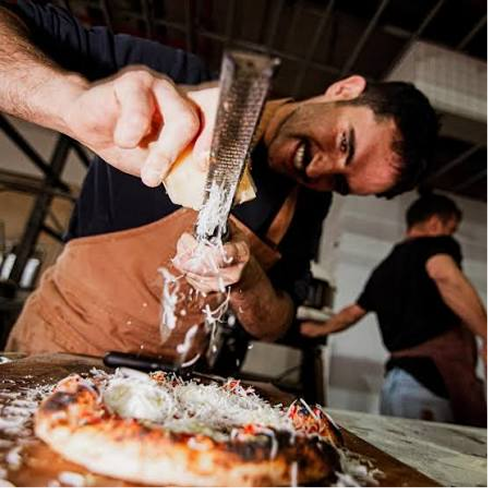
Matías, thinking back to your summers in Lontué and the experiences that shaped your childhood, you understand that culinary work is born from the territory, the challenges of the profession, and local traditions. How has that passion evolved over the years?
The Chilean territory, its landscapes, and its people are everything to me. But that “everything” does not need to be expressed, either explicitly or poetically; it is through time, and also strongly influenced by my mother, [Luz Méndez Pereira, textile, and interior designer, professional colorist] that I have learned that things need nuances in order to be truly appreciated.
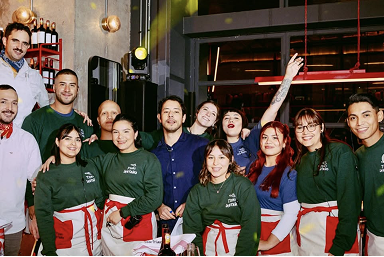
My gateway to the rural world was Lontué: horses, fire, and a different way to connect with what is essential. It was also my bond with the Chilean Mediterranean, a closeness to the fruit and the cycles: the seasonal abundance of kiwis, cherries, peaches, apricots, watermelon, tomatoes, wine, olive oil, and chilean peppers. From there, I began to understand and create a personal language about fire and, step by step, to imagine myself committing to a life as a chef. Being the youngest in any context, I always try to find my own space; I became the number one apprentice and assistant, realizing then that I had a knack for creating scenarios and shaping experiences.
In that sense, everything that has to do with Lontué defines me, even as I have learned to fine-tune my approach over the years. I have always lived in Santiago, and grew up between my father’s rustic roots, and my mother’s profession as colorist and interior designer. I understand that not everything has to be explicit to be profound.
As you say, your cuisine respects the product and develops from a performance based on experience, especially through fire. What drew you to that?
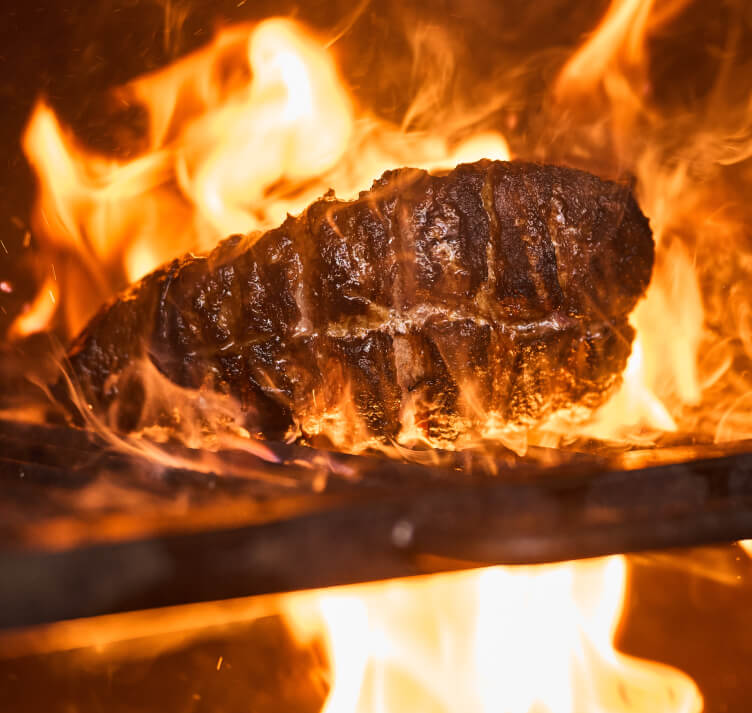
Fire forces you to return to the essentials: it impacts, modifies, and transforms the product, but always in moderation. Unlike a knob-controlled stove or induction stove —where you can regulate, increase, or decrease the intensity— here, everything happens in a unique interaction, in an instance that demands thinking before acting. It is from this place that I connect with fire through my respect for the product. It is a logic that parallels life: the simpler we are, without so many frills, the more we stay focused on what really matters.
In that sense, how has that philosophy progressed?
With the passage of time, I have come to understand that the strategy was correct and that it is possible to be consistent with what one lives and believes. In the end, conviction is what gives you the strength and the necessary confidence to keep going. My essence lies in understanding, respecting, and valuing the product, whether it represents a territory, local traditions, or a person.
Fire forces you to return to the essentials: it impacts, modifies, and transforms the product, but always in moderation.
Many cooks go through a long exploration process before finding their own language. In your case, having already established projects and others on the way, your creativity seems to come from a more aware and grounded place. How has this creative process evolved?
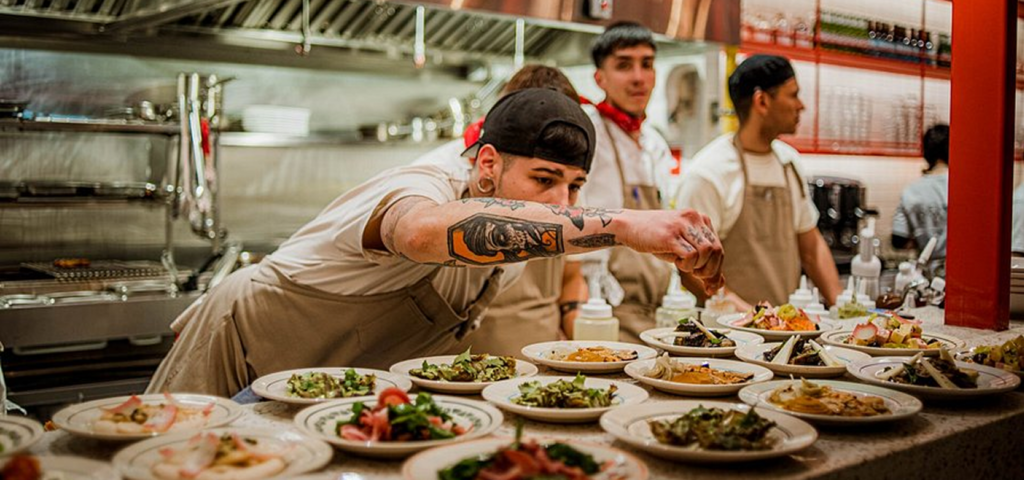
As time goes by, I have had to optimize my creative process because of my “senior” position, life, and family. However, it has been a highly rewarding process because it led me to build my own system, based on an easy way to think that makes it easy to order and elaborate ideas. Today, I approach creativity based on certain principles: the product speaks for itself, techniques are limited by the concept, and everything is built as a team. It is a collaborative process where some ideas are mine, other ones are from the team; and also we have to know when to correct, adjust, or let go. On this path, my right hand is Claudio [Núñez Valdés, Toni Lautaro’s head chef]. Because, besides the method, this process takes time, stillness, and leisure: ruminating on it, being humble, and accepting vulnerability to allow for growth.
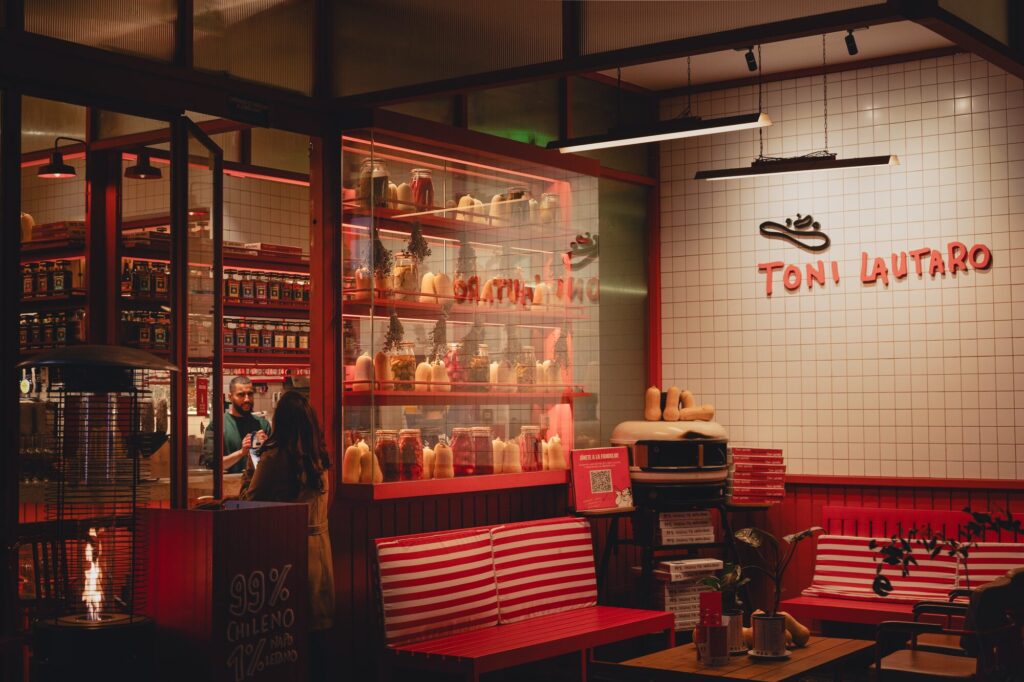
That's great. Finally, Toni transforms into a collaborative space, but also it is a school for the cooks who work here. What does it feel like to go —in a certain way— from apprentice to master?
It is fascinating. By far, it’s what entertains me the most. There is nothing I am more passionate about than working with people —I’m even more passionate about seeing someone enjoy food— (he says laughing). Working with people really makes you learn a lot about yourself, allowing you to understand through empathy, because empathy is able to move mountains. This process of mentoring others, developing a talent pipeline, or contributing to the development of your team is deeply valuable. On the contrary, those who integrate should adapt to your dynamic, as in the execution as in experience. On the other hand, they gain insight which helps them become better professionals, leaders, and people. The combination of these elements ends up shaping a true “school”, from which —at least in my experience— no one emerges without having continued to grow.
Toni Lautaro shows a more mature Matías Arteaga, one hungry to keep building concepts and creating memorable, comforting moments for people. What has this journey been like?
I was fascinated when I came to the idea of creating spaces, experiences, and systems that are truly livable, which had continuity within a culinary concept to pay honor and, at the same time, inspire and educate both workers and visitors. With Toni, for example, the concept of the Mediterranean climate appeared first, and with that, the pizzas. I thought: here I have a canvas, a massive and versatile base product through which you can work with any Chilean product; it is easy to adapt and invites to standardizing many procedures. While simultaneously, it allows us to work based on seasonality.
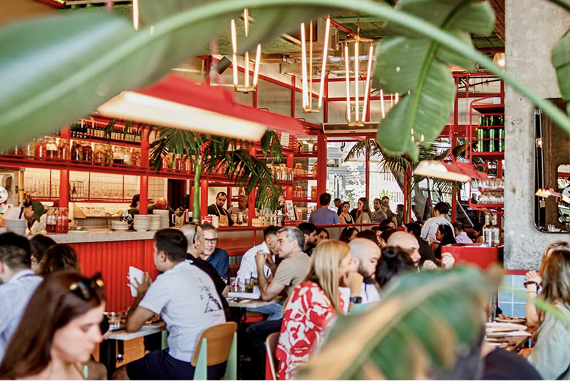
Today, I feel that I am at a more mature stage where being able to create a solid system has become a privilege: at a space where people can really grow, to improve their quality of life, and develop; and, at the same time, where the client finds consistency, so they wanted to come back again and again —to lunch, to celebrate a birthday, or to hang out with a friend— and build a lasting relationship with the place. Because, basically, that’s what it’s about: building meaningful connections with people.
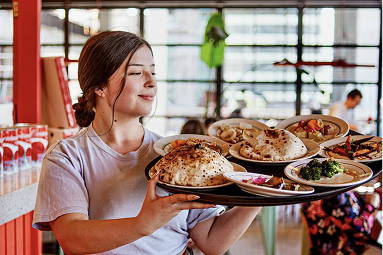
The Lautaro family expands with a new proposal from Gino Lautaro, where there will be pasta and cheese in abundance. Also, this year you are going to launch your first book, which allows you to communicate your cuisine from a deliberate and more in-depth approach. Tell me more about it.
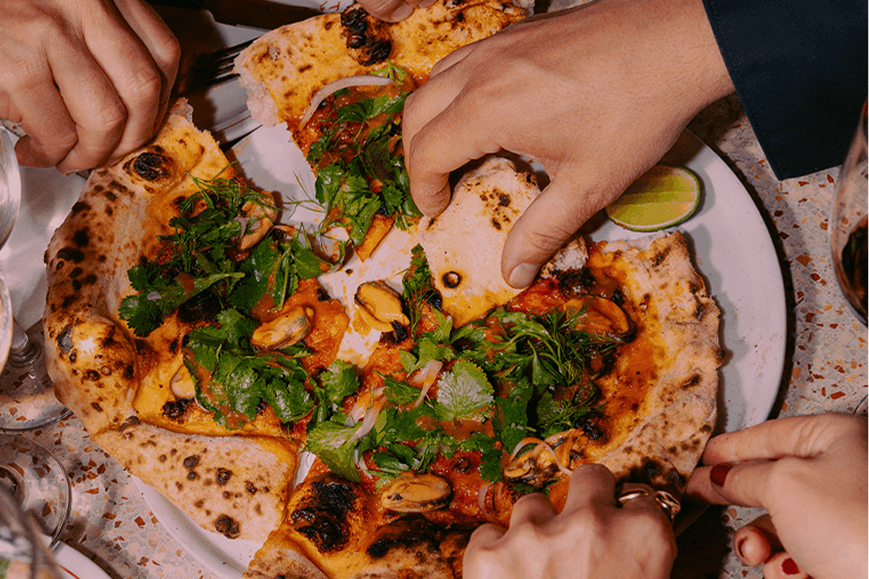
I decided to write a book for the same reason: it forces you to take your time. It is not only a recipe book; instead it talks about inspiration; it contains 70 recipes, but it is —above all— a journey through Chile and the culinary landscapes that inspire me.
You never know which is the perfect moment: I have never had less time, but I told myself: “If I don’t do it now, maybe later I may have even more work or I will be less willing to have a legacy”. Finally, this originated from the power of sharing. I could have found another way, but I certainly believe that a book is something that can reach outwards, to a new chef, that can inspire the living room of their house, among other spaces. The value of sharing that a book holds in a more transcendental way, I think is beautiful.
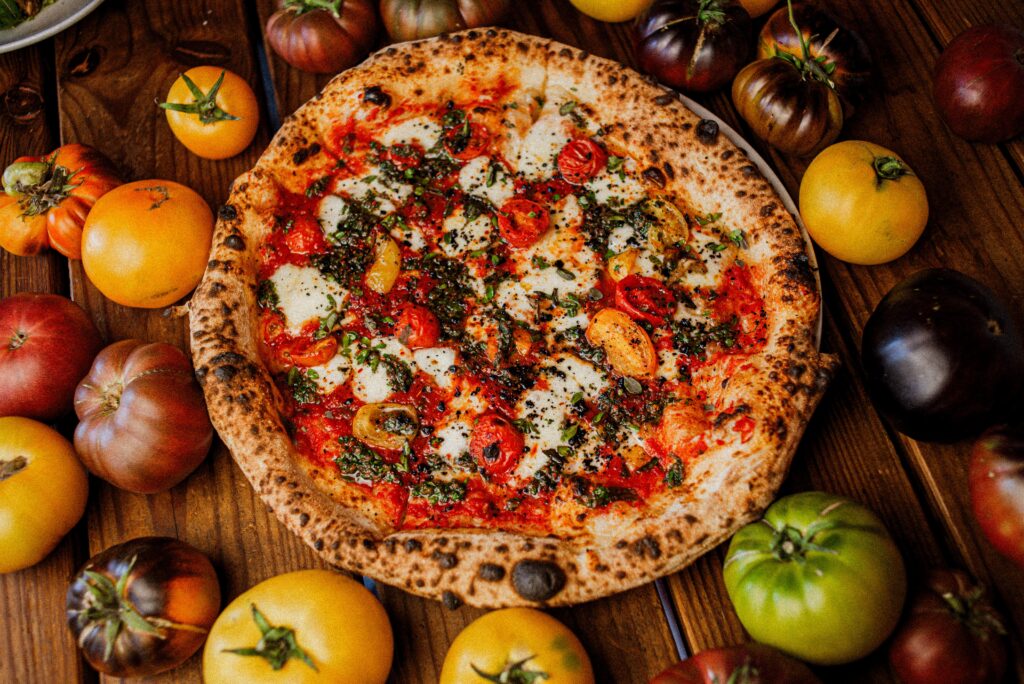
 Pizza
Pizza